Common Snow Removal Misconceptions and How to Avoid Them
Understanding Common Snow Removal Misconceptions
When winter arrives, snow removal becomes a priority for many homeowners and businesses. However, there are numerous misconceptions about this essential task that can lead to ineffective or even damaging practices. Understanding these misconceptions is crucial for efficient and safe snow removal.
In this article, we'll explore some of the most common myths and provide tips on how to avoid them. By debunking these myths, you can ensure that your snow removal efforts are both effective and environmentally friendly.
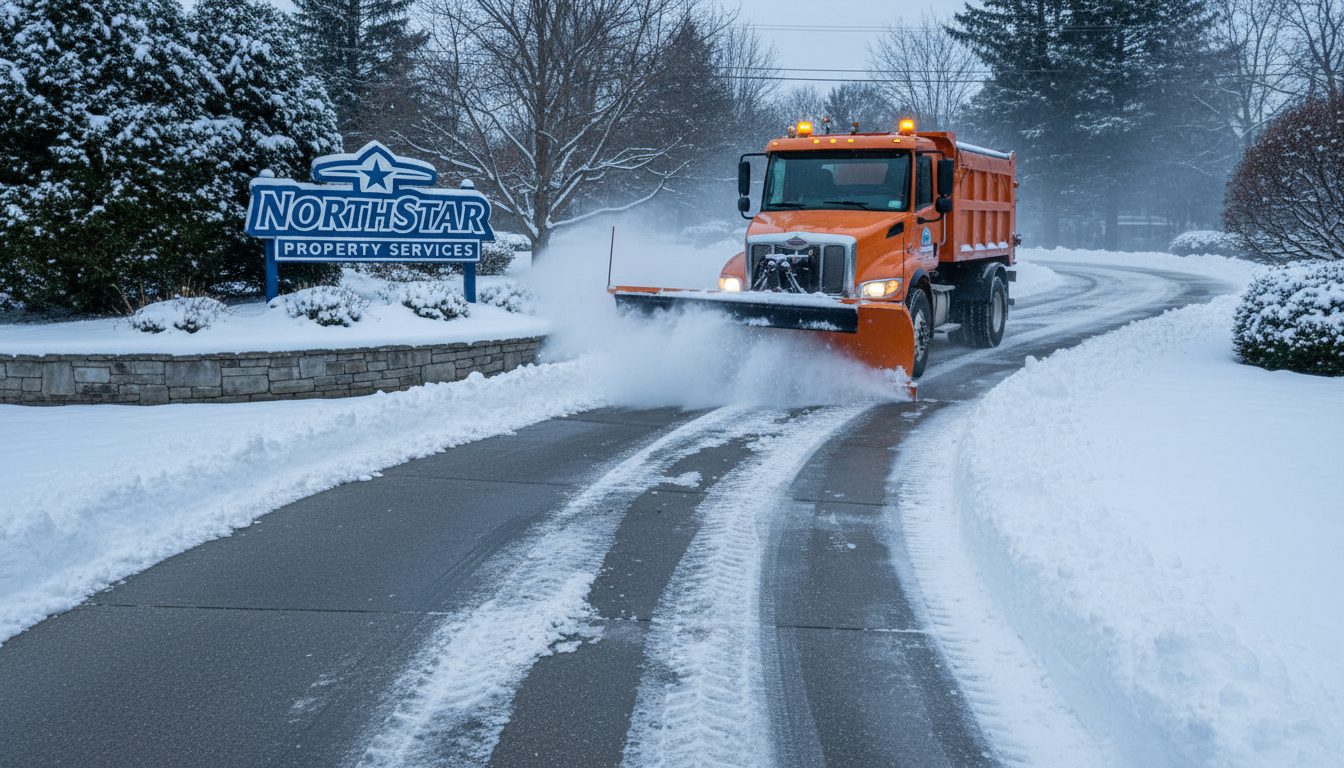
Misconception #1: Using Hot Water Melts Snow Faster
A prevalent myth is that pouring hot water on snow will melt it quickly. While this might seem logical, it can actually create a layer of ice as the water cools and refreezes. Instead of using hot water, consider applying salt or sand to provide traction and facilitate melting. This approach is much safer and more effective in preventing slippery surfaces.
Misconception #2: All Snow Removal Tools Are the Same
Not all snow removal tools are created equal. Using the wrong tool can lead to inefficient snow removal and even damage to your property. For example, plastic shovels are lightweight but may not be durable for heavy snow. Metal shovels, on the other hand, are sturdier but can damage surfaces. Select the right tool based on your specific needs and the type of snow you're dealing with.
Misconception #3: Snowblowers Are Always the Best Option
While snowblowers are convenient, they may not always be the best choice for every situation. They can be expensive and require maintenance, and they might not be practical for small areas or light snowfall. In some cases, traditional shoveling may be more efficient and cost-effective. Assess your specific needs before investing in a snowblower.

Environmental Considerations
Another common misconception is that any de-icing product will do the job. However, some chemicals can be harmful to the environment and your property. It's essential to choose eco-friendly alternatives that won't damage plants or contaminate water supplies. Look for products labeled as safe for the environment to ensure you're making a responsible choice.
Misconception #4: More Salt Equals Better Results
Many people believe that using more salt will speed up the melting process. However, over-salting can harm vegetation, soil, and infrastructure. Instead, apply the right amount of salt based on the manufacturer's recommendations. Sometimes, mixing salt with sand can enhance traction without the need for excessive amounts.

Practical Tips for Effective Snow Removal
- Start early: Begin snow removal as soon as possible to prevent accumulation and compaction.
- Dress appropriately: Wear layers, waterproof gloves, and sturdy boots to stay warm and safe.
- Use proper technique: Bend your knees and lift with your legs, not your back, to avoid injury.
By understanding and avoiding these common misconceptions, you can make your snow removal efforts more effective and safe. Whether you're using a shovel, snowblower, or eco-friendly de-icer, the right approach will ensure your walkways and driveways remain clear and accessible all winter long.